
Table of Contents
ToggleIndoor air quality matters more than ever, and a Whirlpool air purifier can make a real difference in how your home feels and breathes. Whether you’re dealing with pet dander, pollen, dust, or lingering cooking odors, modern air purification technology handles the job quietly in the background. Homeowners often wonder which models deliver actual performance without the hype or unnecessary bells and whistles. This guide walks you through what makes Whirlpool air purifiers a solid choice, which features genuinely matter, and how to install and maintain one for long-term effectiveness.
Key Takeaways
- Whirlpool air purifiers deliver straightforward, reliable performance with HEPA filtration that traps 99.97% of fine particles without unnecessary complexity or smart features.
- Choose a unit with CADR ratings of 300+ for bedrooms and 400+ for living rooms, and match the purifier’s square footage rating to your actual room size for optimal efficiency.
- Proper placement in a central, unobstructed location 3–4 feet high—with at least 12 inches clearance on intake sides—maximizes airflow and air purification effectiveness.
- Replace the pre-filter monthly, HEPA filter every 6–12 months, and activated carbon filter on a similar schedule to maintain peak performance and prevent reduced filtration.
- Budget for total cost of ownership including replacement filters, which typically cost more over time than the initial unit price, making filter replacement frequency a critical comparison factor.
- Run your air purifier strategically on lower speeds overnight or during high-pollen seasons rather than continuously to balance air quality improvement with energy consumption.
Why Whirlpool Air Purifiers Stand Out for Homeowners
Whirlpool builds appliances for real homes, not showrooms. Their air purifiers aren’t overengineered gadgets, they’re straightforward machines designed to filter the air you breathe daily without requiring a Ph.D. to operate. The brand’s decades of experience in home appliances means they understand what breaks, what lasts, and what homeowners actually need.
One reason Whirlpool air purifiers appeal to DIYers and homeowners is their balance of performance and simplicity. Unlike some competitors that pile on smart features and app connectivity, Whirlpool models focus on core filtration: capturing dust, allergens, and odors efficiently. You’ll find models with HEPA filtration (true High-Efficiency Particulate Air filters that trap 99.97% of particles as small as 0.3 microns) and activated carbon layers that tackle odors your vacuum can’t reach.
Whirlpool also offers models at various price points, so you’re not overpaying for features you won’t use. Whether you’re setting up a bedroom, living room, or office space, there’s typically a unit that fits your square footage and budget. Customer support is solid, parts are available, and replacement filters don’t require hunting through specialty suppliers.
Key Features to Look For in Whirlpool Models
When comparing Whirlpool air purifiers, don’t get distracted by noise levels or color options, focus on what actually cleans your air.
Air changes per hour (ACH) and CADR ratings (Clean Air Delivery Rate) tell you how quickly a unit cycles and filters your room’s air. A CADR of 300+ is solid for a 400-square-foot bedroom: 400+ works better for living rooms. More isn’t always necessary, overkill just means a noisier unit running in a smaller space.
Filter type and replacement cost matter more than most homeowners realize. HEPA filters trap fine particles: activated carbon handles odors and gases. Check how often filters need replacing, typically every 6–12 months depending on use and air quality. Factor replacement costs into your decision: a cheaper unit with pricey filters becomes expensive long-term.
Noise level is worth considering if the purifier runs near your bedroom or workspace. Most Whirlpool models operate between 45–55 decibels on high speed (roughly a quiet office environment). Lower speeds drop to 25–30 decibels, so running overnight is feasible if you choose a quieter model.
Filtration Technology and Coverage Area
Whirlpool air purifiers typically use a multi-stage filtration system: a pre-filter (catches larger debris like lint and hair), a HEPA filter (the workhorse for fine particles), and an activated carbon filter (eliminates odors and some volatile organic compounds). This layered approach means each filter handles its job, extending overall filter life.
Coverage area is straightforward: match the purifier’s rated square footage to your room. A unit rated for 300 square feet will struggle in a 600-square-foot open living room and work efficiently in a bedroom. Check the manual for the room size and, if you have an awkward layout or high ceilings, consider going one size up for better performance.
Popular Whirlpool Air Purifier Models and Performance
Whirlpool’s lineup includes several models worth your attention. The Whirlpool WhisperPure Air Purifier is a solid entry-level choice, offering HEPA filtration, quiet operation, and reliable performance in rooms up to 300 square feet. It’s the kind of unit that runs without fuss, no app, no gimmicks, just air cleaning. Replacement filters are affordable and widely available.
Mid-range models step up coverage to 400–500 square feet and often include additional features like air quality sensors or multiple fan speeds for flexibility. These work well in combination living-and-dining spaces where open layouts mean higher air volume to filter.
According to independent testing from CNET’s evaluation of 2026 air purifiers, Whirlpool models consistently rank for reliability and straightforward operation. Similarly, Tom’s Guide’s air purifier roundup highlights how Whirlpool delivers practical performance without overcomplication.
If you have allergies or pet hair concerns, look for models with pre-filter upgrades or additional activated carbon. These handle pet odor and dander more aggressively than standard filters. Check your specific model’s CADR rating for particles, odor, and smoke to confirm it matches your primary concern.
Installation and Placement Tips for Maximum Effectiveness
Here’s where homeowners often stumble: they install the purifier and expect miracles without thinking about placement and airflow. A Whirlpool air purifier works best when air can reach it, circulate through the unit, and distribute throughout the room.
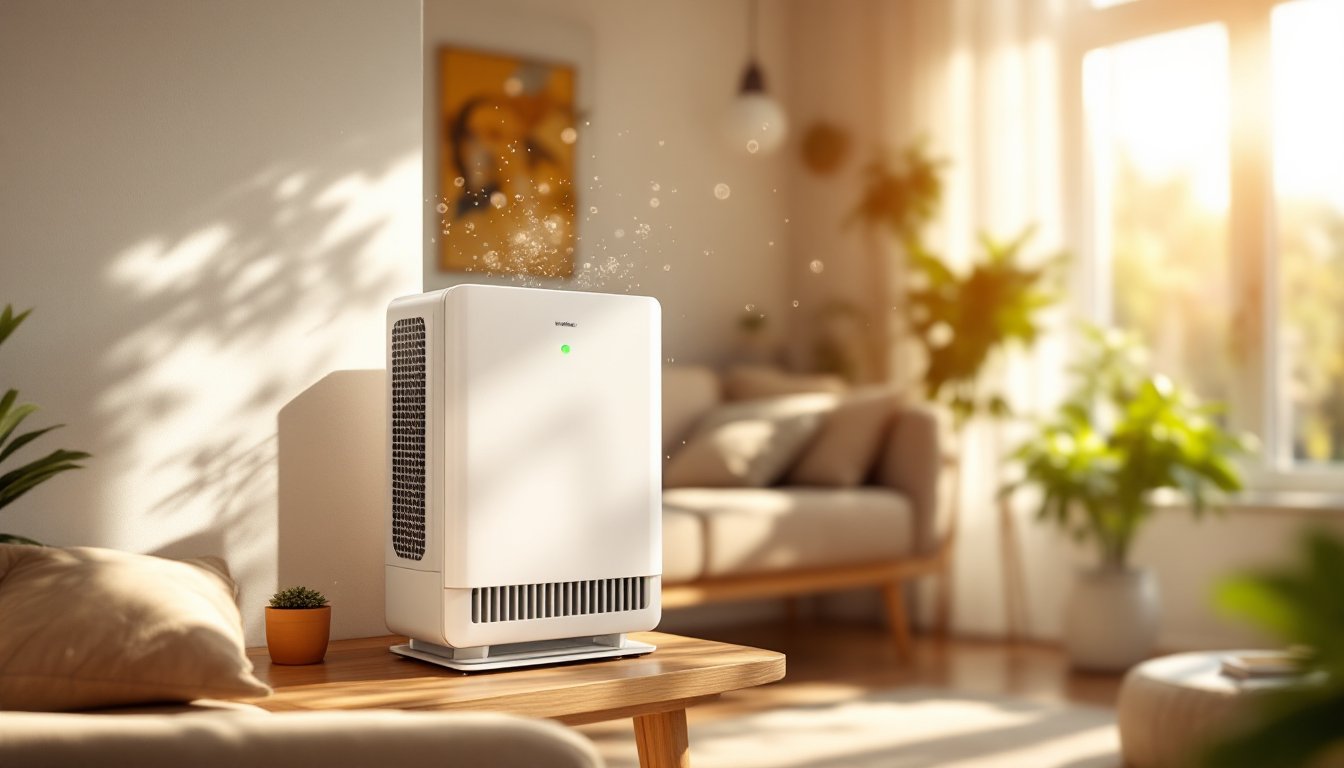
Location matters. Position the purifier in a central spot, away from walls and furniture that block intake vents. If it’s in a corner or pushed against a sofa, you’re restricting airflow and reducing efficiency. Similarly, don’t place it directly behind a door or window where exterior drafts interfere with its operation. A shelf at waist to eye height (3–4 feet off the ground) often works well because it places the intake vents at the level where people breathe.
Keep vents clear. Check your unit’s manual to identify intake and exhaust vents. Many purifiers draw air in through one side or the bottom and release it through another side. Blocking either chokes performance. Make sure the area around the unit stays open, at least 12 inches on intake sides, 6 inches minimum clearance on exhaust.
Run it continuously or strategically. You don’t need to run a Whirlpool air purifier 24/7 unless you’re dealing with serious allergies or asthma. Continuous operation ensures consistent air quality but uses more electricity. Many homeowners run units during high-pollen seasons, when pets shed heavily, or 8–10 hours daily as a middle ground. Set it on a lower speed overnight to minimize noise and reduce energy consumption.
Avoid noisy placement. Don’t position the unit immediately next to a bedroom wall if you’re a light sleeper. Even a “quiet” model running on high speed can transmit vibrations through shared walls. An adjacent room or a lower speed setting solves this.
Maintenance and Care to Keep Your Purifier Running Smoothly
A neglected Whirlpool air purifier becomes an expensive paperweight. Routine maintenance is simple but non-negotiable.
Check and clean the pre-filter monthly. The pre-filter catches visible dust and pet hair. Every four weeks, remove it (consult your manual for how), hold it over a trash can, and gently tap out accumulated debris. If it’s visibly clogged or musty-smelling, replace it. A clogged pre-filter forces the HEPA filter to work harder, shortening its lifespan.
Replace the HEPA filter every 6–12 months, depending on air quality and usage. If you live in a dusty area or run the unit constantly, aim for the 6-month mark. Check your unit’s model-specific filters, using genuine Whirlpool replacements ensures proper fit and performance. Some users try budget third-party filters: don’t. They often bypass contaminated air or don’t seal correctly, wasting money and letting pollutants slip through.
Replace the activated carbon filter on the same schedule as the HEPA filter, or sooner if odors return. If your household includes smokers or you cook frequently, carbon filters work harder and may need replacing every 3–4 months.
Keep the unit itself clean. Wipe the exterior with a dry or slightly damp cloth monthly. Remove dust from fan grilles if they’re accessible (check your manual first, some models have sealed designs). Vacuum or brush around the unit to reduce the dust floating into its intake.
Monitor air quality indicators. Many models include a light or sensor that signals when filters need replacing. Take these cues seriously. Ignoring them means running a purifier that’s no longer filtering effectively, you’re paying for electricity and getting nothing in return. Good Housekeeping’s lab-tested air purifier reviews emphasize the importance of timely filter maintenance for consistent particle removal.
Conclusion
A Whirlpool air purifier won’t solve every air quality problem, but it handles dust, allergens, pet dander, and odors in ways your HVAC system alone can’t match. The key is choosing the right size, placing it strategically, and staying on top of filter replacements. Don’t overthink it, focus on HEPA filtration, appropriate coverage area, and honest maintenance. Your lungs (and anyone in your home with allergies) will notice the difference.