
Table of Contents
ToggleIf you’re planning a bathroom renovation, you’ve probably spent time staring at Pinterest photos of frameless glass shower doors. But here’s the reality: they’re expensive, prone to hard-water spotting, and require meticulous cleaning to stay looking sharp. A walk-in shower with a curtain instead of a door offers a smarter alternative for many homeowners. It’s affordable, forgiving, and far more flexible when it comes to design and maintenance. Whether you’re updating a master bath or maximizing a small guest bathroom, this setup delivers both function and style without the headaches. Let’s walk through why this approach is gaining traction and how to make it work in your space.
Key Takeaways
- A walk-in shower with curtain instead of door offers an affordable and low-maintenance alternative to expensive glass doors, which require constant cleaning and can chip or crack easily.
- Fabric curtains with waterproof liners provide aesthetic flexibility and premium feel, while heavy-duty vinyl options offer superior durability and minimal upkeep at a lower cost.
- Proper installation with heavy-duty brackets, correct rod height (75–78 inches), and strategic curtain placement 2–3 inches inside the opening ensures effective water containment without floor splashing.
- Fabric curtains need washing every 4–6 weeks and liners replaced annually, while vinyl curtains require only monthly wiping and occasional hand-washing to prevent mildew and water spots.
- Running your exhaust fan for 20–30 minutes after showers is essential for preventing humidity buildup and extending curtain lifespan in high-moisture bathroom environments.
- Walk-in shower designs with curtains maximize accessibility and design freedom, allowing wider openings for grab bars and custom dimensions while maintaining privacy and a spa-like aesthetic.
Why Choose a Curtain Over a Glass Door
A walk-in shower with a curtain instead of a door strips away unnecessary complexity while keeping costs down. Glass doors sound premium in theory, but they demand constant squeegee work and specialized cleaning products to prevent mineral deposits. Shower curtains, by contrast, hide water stains naturally and can be swapped out in seconds when they’re past their prime.
Functionality matters too. A curtain-style setup gives you total freedom in shower dimensions, you’re not locked into whatever door sizes your supplier stocks. If you need a wider opening for accessibility or just personal preference, you build exactly what you want. There’s also the durability factor: glass doors can chip, crack, or shatter if bumped with a soap caddy or showerhead. A damaged curtain rod costs far less to replace than a shattered tempered-glass panel.
Water containment is another surprise advantage. Modern shower curtains, especially heavier vinyl options, actually contain splashing as well as or better than poorly-fitted glass doors. And from an aesthetic angle, you get more design flexibility, colors, patterns, and textures that glass simply can’t match. A curbless shower setup with a subtle curtain creates that spa-like feel without the premium price tag.
Types of Shower Curtains for Walk-In Designs
Standard Fabric Curtains
Fabric curtains, typically cotton-polyester blends or 100% cotton, deliver the softest aesthetic and feel premium underfoot. They drape nicely and don’t stick to your legs like vinyl can in humid bathrooms. Most come with a weighted hem to prevent billowing, and many are washable. The trade-off: they need a waterproof liner underneath to actually block water. That liner, usually clear PEVA (polyethylene vinyl acetate) or EVA plastic, does the heavy lifting while the decorative fabric handles looks.
Fabric curtains are ideal if you want patterns, bold colors, or a cohesive look with your bathroom decor. They’re also easier on the ears, no synthetic rustling or squeaking. But, they do require more frequent washing (every 2–4 weeks in humid climates) to prevent mildew growth, especially along the bottom hem. If your bathroom lacks good ventilation, this setup demands an exhaust fan running during and 20–30 minutes after showers.
Heavy-Duty Vinyl Options
Heavy-duty vinyl or PEVA shower curtains cut out the two-curtain system entirely. A single 3mm- to 5mm-thick vinyl panel does everything: water blocking, durability, and (sometimes) decent looks. Heavier weights perform better than the flimsy 1mm liners that split after three months of use.
Vinyl’s strength is low maintenance. Wipe it down occasionally, toss it in the wash once every couple months, and it’ll last 2–3 years. No separate liner needed means fewer seams where water can sneak through. The downside is aesthetic: vinyl curtains typically come in clear, frosted, or muted solid colors. They also feel cold and clammy in winter mornings, not a deal-breaker, but worth knowing. According to home improvement guides online, vinyl options from quality manufacturers (brands like Heavyweight Vinyl or Standard Textiles commercial-grade lines) perform far better than dollar-store versions. Budget $20–$50 for a solid vinyl curtain versus $15–$30 for a fabric set with liner.
Installation Tips and Best Practices
Installation for a walk-in shower with curtain is straightforward, but details matter. Start by mounting your curtain rod, usually a 1-inch diameter stainless steel or aluminum bar, 54 to 72 inches wide depending on your opening. The rod should sit 75 to 78 inches above the floor for standard ceiling heights, leaving enough clearance above your head. Use heavy-duty brackets rated for at least 50 pounds: cheap plastic anchors will fail within months.
Mark your studs or use toggle bolts in drywall for secure mounting. A stud finder ($20–$40) pays for itself in peace of mind. If you’re mounting into tile, a diamond-core drill bit and anchor rated for wet environments is non-negotiable. Avoid drilling directly into grout lines, always hit the tile itself.
Water containment starts with proper placement of your curtain and rod. Hang the curtain 2–3 inches inside your shower opening so water runs down the rod and curtain, not onto your bathroom floor. The curtain should touch or nearly touch the floor, water will find gaps otherwise. If your shower pan has a lip (which it should), position the rod so the curtain overlaps that lip by at least 1 inch. Test your setup by running water and watching where splashes go before you commit to tile or final finishes.
For accessibility or family bathrooms, a single-rod setup with a open doorway works fine. If you need to contain water more aggressively, perhaps in a wet-room design, install a short wall or glass panel on one or both sides, then use the curtain on the open side. This hybrid approach combines the affordability of curtains with better water management. Design inspiration and renovation tips show countless examples of this flexible approach working in modern bathrooms.
Maintenance and Care for Long-Lasting Results
Keeping your shower curtain in shape extends its life and prevents odor problems. For fabric curtains with separate liners, replace the liner every 12–18 months if you shower daily. The liner takes the brunt of hard-water mineral buildup and mildew growth. Toss it in the washing machine on gentle cycle with warm water, it’ll likely come clean. If mineral deposits resist washing, a 30-minute soak in white vinegar (1 part vinegar to 3 parts water) works wonders.
The decorative fabric curtain itself usually needs washing every 4–6 weeks, depending on bathroom humidity. Again, a gentle machine wash in warm water with mild detergent prevents fabric degradation. Hang it to dry, don’t machine dry, as heat can damage synthetic blends.
For vinyl curtains, wipe the surface with a dry cloth after each shower to prevent water droplets from leaving spots. Monthly hand-washing in a tub with mild soap and vinegar keeps mildew at bay. If you notice black spots appearing on the vinyl, it’s usually mildew or mold: a mixture of equal parts white vinegar and water, applied with a soft brush, removes most growth without harsh chemicals.
Ventilation is your secret weapon. Run your exhaust fan during showers and for 20–30 minutes afterward. If your bathroom lacks a fan, a bathroom window cracked open helps. Proper airflow prevents humidity buildup that shortens curtain lifespan and promotes mold. In high-humidity climates, consider a timer-controlled fan that runs passively, it pays dividends in longevity.
Design Ideas to Complement Your Space
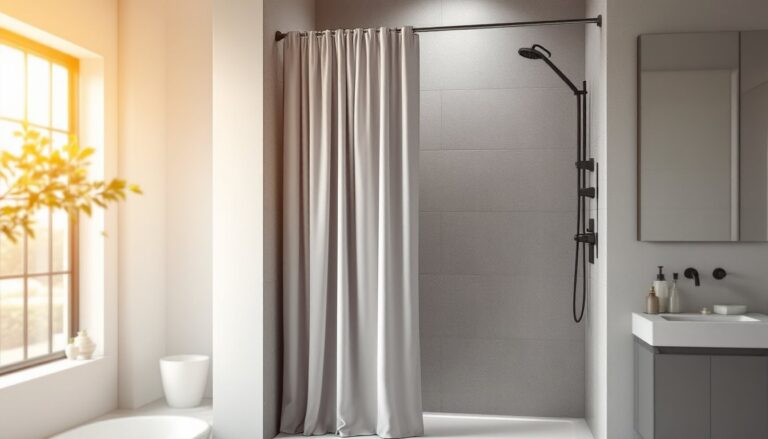
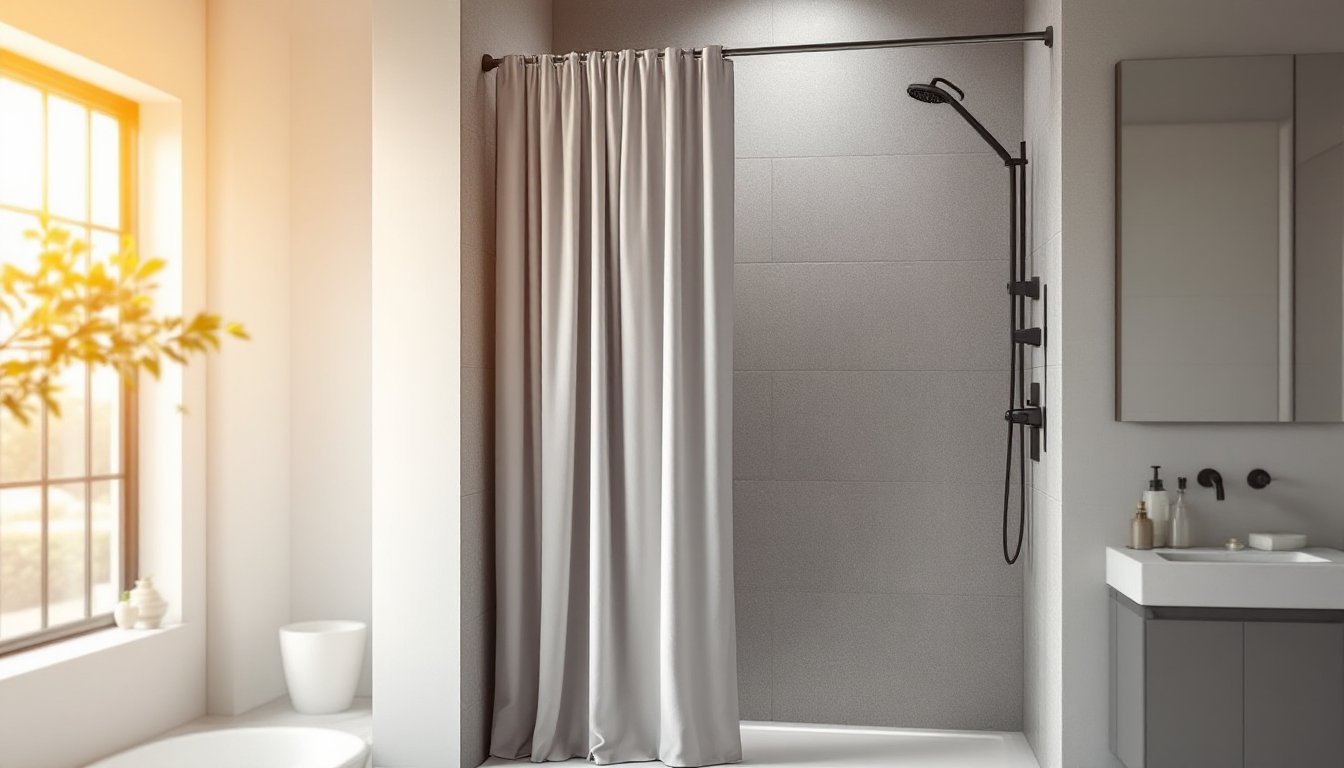
A walk-in shower with curtain offers more design freedom than you might expect. For modern bathrooms, a sleek white or charcoal curtain paired with matte-black fixtures creates clean, contemporary lines. Pair it with large-format tile (12×24 inches) on the walls and a light color palette to keep the space feeling open.
If your bathroom skews mid-century or eclectic, a patterned fabric curtain becomes a statement piece. Geometric prints, soft florals, or even textured linens add personality without needing a full remodel. Just ensure your liner is waterproof and coordinating hardware, rod, hooks, and rings, matches your chosen aesthetic.
For smaller bathrooms, a clear or frosted vinyl curtain maximizes perceived space by allowing sightlines through the shower area. Pair it with contrasting tile work or a feature wall inside the shower to add visual interest without cramping the footprint.
Accessibility designs benefit from open walk-in showers with curtains. Wider openings for grab bars, fold-down seating, or wheelchair access aren’t compromised by a door swing. The curtain provides privacy and water containment without barriers. Cost estimates and project planning guidance can help you budget for these accessibility upgrades alongside your shower redesign.
Don’t overlook the practical side of hardware. Rustproof stainless steel or powder-coated aluminum rod and brackets prevent corrosion in humid environments. Avoid nickel-plated hardware, it tends to tarnish over time. PEVA or vinyl hooks resist mildew better than cloth or leather alternatives. Small details compound into long-term satisfaction with your finished project.
Final Thoughts
A walk-in shower with a curtain instead of a door delivers practical benefits without sacrificing style or function. Lower cost, easier maintenance, and design flexibility make this setup a smart choice for bathrooms of any size. Whether you opt for a fabric-and-liner combo or a heavy-duty vinyl solution, the key is choosing the right materials for your climate, mounting everything securely, and staying on top of basic maintenance. With proper ventilation and occasional care, your curtain-style shower will serve you well for years while keeping your bathroom budget in check.