
Table of Contents
ToggleOrtho Home Defense is one of the most popular perimeter pest sprays homeowners reach for when insects threaten the foundation or exterior of their home. The product is widely available at big-box retailers and promises effective control against ants, spiders, roaches, and other unwanted visitors. But before you spray around your garden beds, potted plants, or landscaping, it’s worth asking: is Ortho Home Defense safe for plants? The short answer is nuanced, it can damage or kill plants under certain conditions, especially if they’re exposed directly to the spray. Understanding how this product works, where it’s safe to use, and what precautions to take will help you protect both your home and your plants from damage.
Key Takeaways
- Ortho Home Defense can damage or kill plants through direct spray contact, causing leaf burn, wilting, and defoliation, especially in soft-bodied plants like impatiens and herbs.
- The pyrethroid compounds in Ortho Home Defense persist in soil and may affect beneficial organisms like earthworms and mycorrhizal fungi that plants depend on for nutrient uptake.
- Protect plants by maintaining at least a 3-foot buffer zone, applying Ortho Home Defense on calm days with no rain forecast, and covering sensitive plants with sheets during treatment.
- Safer alternatives like diatomaceous earth, neem oil, boric acid baits, and beneficial insects provide effective pest control without the risk to your plants.
- Once dried (2–4 hours), treated surfaces are less hazardous, but proper planning and weather conditions are essential to minimize overspray and runoff toward garden beds.
What Is Ortho Home Defense and How Does It Work?
Ortho Home Defense is a synthetic pyrethroid-based insecticide available in spray form, designed to create a defensive perimeter around homes to eliminate and repel common household pests. The active ingredients, typically bifenthrin or similar pyrethroids, are neurotoxic compounds that disrupt insect nervous systems on contact and residual exposure.
The product is meant for application around foundation perimeters, baseboards, door frames, and other entry points where pests congregate. When applied correctly to non-living surfaces like concrete, siding, or mulch, it forms a barrier that remains effective for several weeks. Homeowners appreciate it because it doesn’t require mixing: it comes ready-to-spray and covers a large area quickly.
Pyrethroids are derived from natural compounds found in chrysanthemum flowers, which sometimes misleads people into thinking they’re completely benign to plants. In reality, the synthetic versions used in Ortho Home Defense are concentrated and formulated differently than natural pyrethrin. The product is regulated by the EPA and carries instructions that explicitly warn against direct contact with desirable plants, which is the first clue that caution is warranted.
Potential Risks to Indoor and Outdoor Plants
Direct Contact Effects on Foliage and Stems
Direct spray contact with plant leaves, stems, or flowers can cause visible damage within hours to days. The pyrethroid coating disrupts cell membranes in plant tissue, leading to phytotoxicity, leaf burn, bleaching, wilting, or complete defoliation depending on the plant species and spray concentration.
Soft-bodied plants like impatiens, begonias, and herbs are particularly vulnerable. Even hardy plants like shrubs can suffer cosmetic or structural damage if sprayed directly. The risk increases in hot, dry conditions when plants are already stressed. If you’ve accidentally sprayed a prized houseplant or garden specimen, the damage may be irreversible within that growing season.
Soil and Root System Concerns
When Ortho Home Defense contacts soil, its pyrethroid compounds bind to soil particles and persist for several weeks. While the product label indicates it’s for perimeter application only, not directly on planting beds, overspray or runoff can reach roots, especially in heavy rain or overhead watering situations.
Pyrethroids are not typically absorbed by roots in the same way that systemic pesticides are, but their presence in the soil can still affect beneficial soil organisms like earthworms and mycorrhizal fungi, which plants depend on for nutrient uptake. Some studies suggest that pyrethroid residues can accumulate in soil over repeated applications and may stress certain plant roots if concentrations are high. Container plants near treated areas face additional risk because their soil volume is limited and runoff concentrates more easily.
Best Practices for Protecting Your Plants During Application
If you decide to use Ortho Home Defense, follow these practical steps to minimize plant damage:
Plan your spray zone carefully. Apply the product at least 3 feet away from vegetable gardens, flower beds, and potted plants outdoors. For indoor use, apply only along baseboards and around door frames, never near windowsills with plants or shelves holding planters.
Use the right weather conditions. Spray on a calm day (winds under 5 mph) to prevent drift. Avoid spraying when rain is forecast within 24 hours, as runoff will carry the chemical toward planting areas. Early morning or late evening application reduces overspray risk.
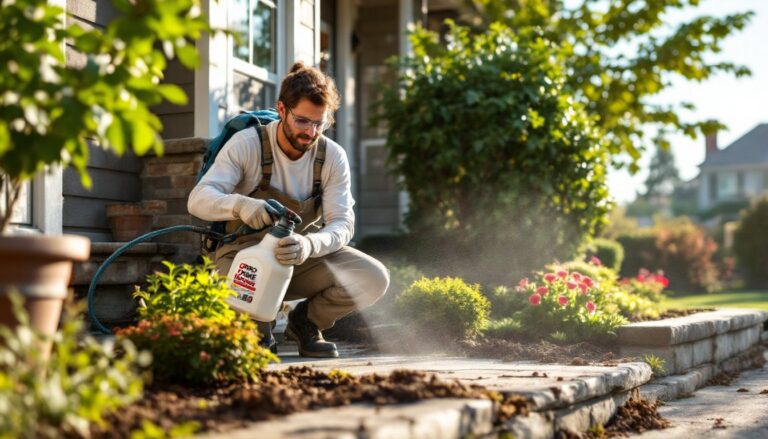
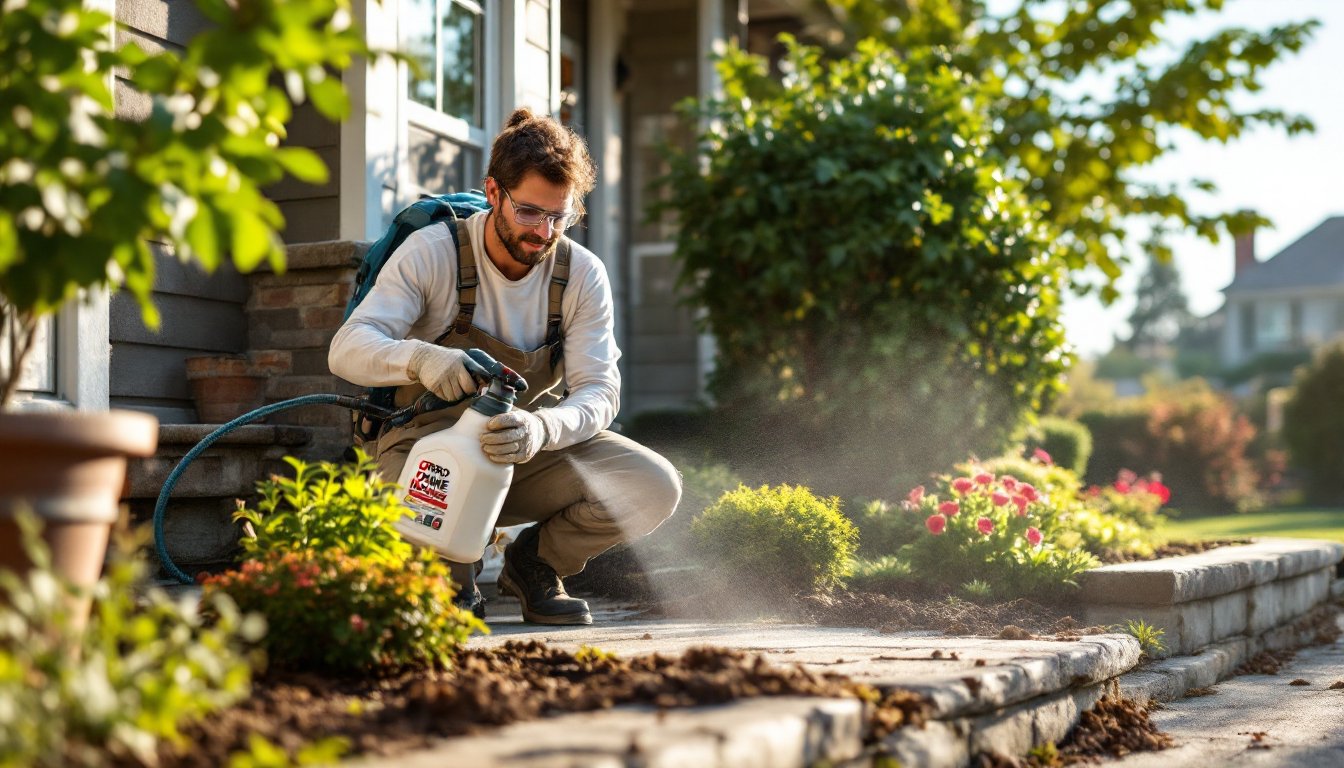
Wear appropriate PPE. Even though this product is relatively low-toxicity for humans at labeled rates, gloves, long sleeves, and eye protection are essential. Pyrethroids can irritate skin and eyes, and you don’t want accidental exposure to your plants either.
Cover sensitive plants. If you must treat an area close to a garden bed or potted plant you want to protect, drape the plant loosely with a sheet or burlap before spraying and leave it covered for at least 2 hours afterward. This is simple but highly effective.
Let treated surfaces dry fully. Don’t assume the spray is safe to touch or brush against while still wet. Once dry (typically 2–4 hours), the residue is less likely to transfer, but still avoid contact with plants during this curing period.
Keep records of application dates and locations. If plant damage does occur, you’ll want to know where and when you sprayed to prevent future problems and to decide if re-treatment is worth the risk.
Safer Alternatives for Plant-Friendly Pest Control
If you’re concerned about plant safety or want to avoid synthetic chemicals altogether, several alternatives can help control perimeter pests without risking your garden.
Diatomaceous earth (DE) is a food-grade, non-toxic powder made from fossilized algae. It works by physically damaging insect exoskeletons. Spread it around foundation perimeters and under mulch. DE is safe for plants, pets, and humans (use a dust mask during application to avoid inhaling particles), and it breaks down naturally. You’ll need to reapply after rain.
Neem oil and horticultural oils suppress many common pests and can be sprayed directly on plants without harm when used at label rates and applied in cool weather. They’re slower-acting than pyrethroids but gentler on beneficial insects. Gardenista has excellent guides on organic pest control methods that dive deeper into these solutions.
Boric acid baits target roaches and ants specifically and stay contained in small stations, no spray drift to worry about. Place them along the perimeter and refresh monthly. They’re safer than broadcast spraying and won’t affect nearby plants.
Physical barriers and sanitation prevent pests from establishing in the first place. Seal cracks in foundation and siding, remove debris piles, and trim vegetation back from the house. Many homeowners find that consistent sealing and cleanup reduce pest problems enough that spraying becomes unnecessary.
Beneficial insects like predatory wasps and parasitic nematodes are available commercially and will naturally control pest populations in and around your landscape. This approach takes longer but creates a self-sustaining balance. Research from Southern Living includes regional guides on supporting beneficial insects in home gardens.
Each option has trade-offs in terms of speed, cost, and effort. Synthetic pyrethroid sprays like Ortho Home Defense are fast and affordable, but they carry plant risk. Alternatives are slower or require more vigilance, but they’re kinder to your entire landscape ecosystem.
Conclusion
Ortho Home Defense is effective at controlling household pests, but it is not inherently safe for plants if applied carelessly or in proximity to sensitive vegetation. Direct contact can cause visible damage, and soil residues can stress root systems and beneficial soil life over time. By maintaining a 3-foot buffer zone, applying in calm, dry conditions, and covering nearby plants, you can use this product responsibly. But, if plant safety is your priority, diatomaceous earth, neem oil, beneficial insects, and physical barriers offer gentler alternatives. The best choice depends on your tolerance for risk, the severity of your pest problem, and how much time you want to invest in alternatives.