
Table of Contents
ToggleBugs in the house aren’t just annoying, they can damage property and spread germs. Ortho Home Defense is a go-to solution for homeowners dealing with common indoor and outdoor pests. This concentrated formula tackles ants, spiders, roaches, and other crawling insects around the perimeter and inside the home. Unlike hiring an exterminator, applying it yourself is straightforward and cost-effective. This guide walks you through what the product does, how to apply it properly, and safety practices to keep your family and pets protected.
Key Takeaways
- Ortho Home Defense Insect Killer uses bifenthrin to create a residual protective barrier that kills crawling pests like ants, roaches, and spiders and lasts for weeks after application.
- Apply the product to baseboards, window frames, foundation cracks, and a 12-inch perimeter band around your home’s exterior for maximum effectiveness against pest entry points.
- Always allow treated surfaces to dry completely (2–4 hours) before pets or children enter, and protect aquariums with plastic sheeting since bifenthrin is toxic to aquatic life.
- Ortho Home Defense’s ready-to-use hose-end sprayer format saves time and covers up to 5,000 square feet per gallon, making it more cost-effective than hiring an exterminator.
- For severe infestations or suspected termites, consult a licensed pest control professional rather than relying on DIY application alone.
- Apply perimeter treatment in late summer or early fall as a preventative measure, and repeat every 4 weeks or after heavy rain for sustained pest control.
What Is Ortho Home Defense and How Does It Work
Ortho Home Defense Insect Killer is a ready-to-use liquid spray designed for both indoor and perimeter applications. The active ingredient is bifenthrin, a synthetic pyrethroid insecticide that disrupts the nervous systems of insects on contact. It’s effective against ants, cockroaches, spiders, earwigs, silverfish, and other crawling pests.
The formula comes in a hose-end sprayer bottle, no mixing required. You attach it to your standard garden hose, set the dial for the desired concentration, and spray. The product has a residual effect, meaning it creates a protective barrier that continues working for weeks after application, making it ideal for preventing reinfestation around entry points.
One gallon typically covers up to 5,000 square feet of perimeter, depending on application method and pests being targeted. The residue breaks down naturally with weather and UV exposure, so retreatment is needed seasonally or after heavy rain. It’s not designed for food preparation surfaces or areas where pets and children eat or sleep without proper drying time.
Where and How to Apply Ortho Home Defense for Maximum Effectiveness
The key to effective pest control is understanding where bugs travel and where they hide. Ortho Home Defense works best when applied to the right spots at the right time.
Interior Application Tips
Inside the home, spray along baseboards, around window and door frames, and in corners where spiders and roaches hide. Don’t spray directly on furniture, bedding, or food storage areas. Focus on the lower 12 inches of walls and cracks in baseboards, insects move low.
Allow surfaces to dry completely before children or pets enter treated areas, typically 2–4 hours depending on humidity. Ventilate rooms well during and after application. If treating a kitchen, spray late evening after cooking and keep the area clear overnight. For apartment dwellers, check your lease: some buildings restrict tenant pesticide use.
Heavy infestations inside warrant a second application 2 weeks after the first, as the product targets active insects at contact but may not reach all eggs or hidden colonies. The Spruce offers detailed, which can help you pinpoint the exact areas needing treatment.
Perimeter and Outdoor Application
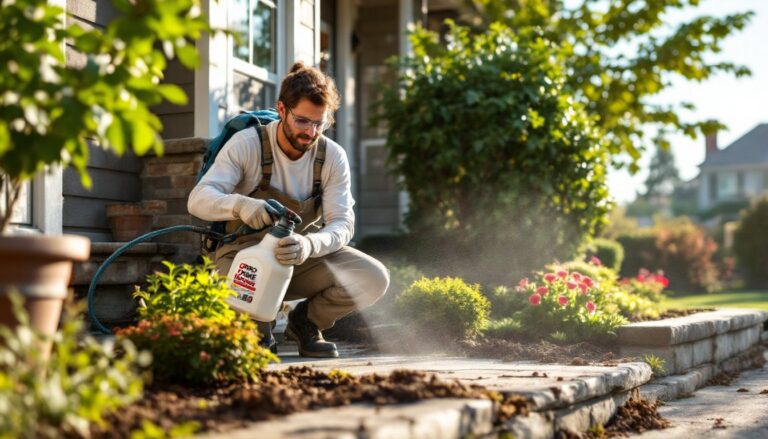
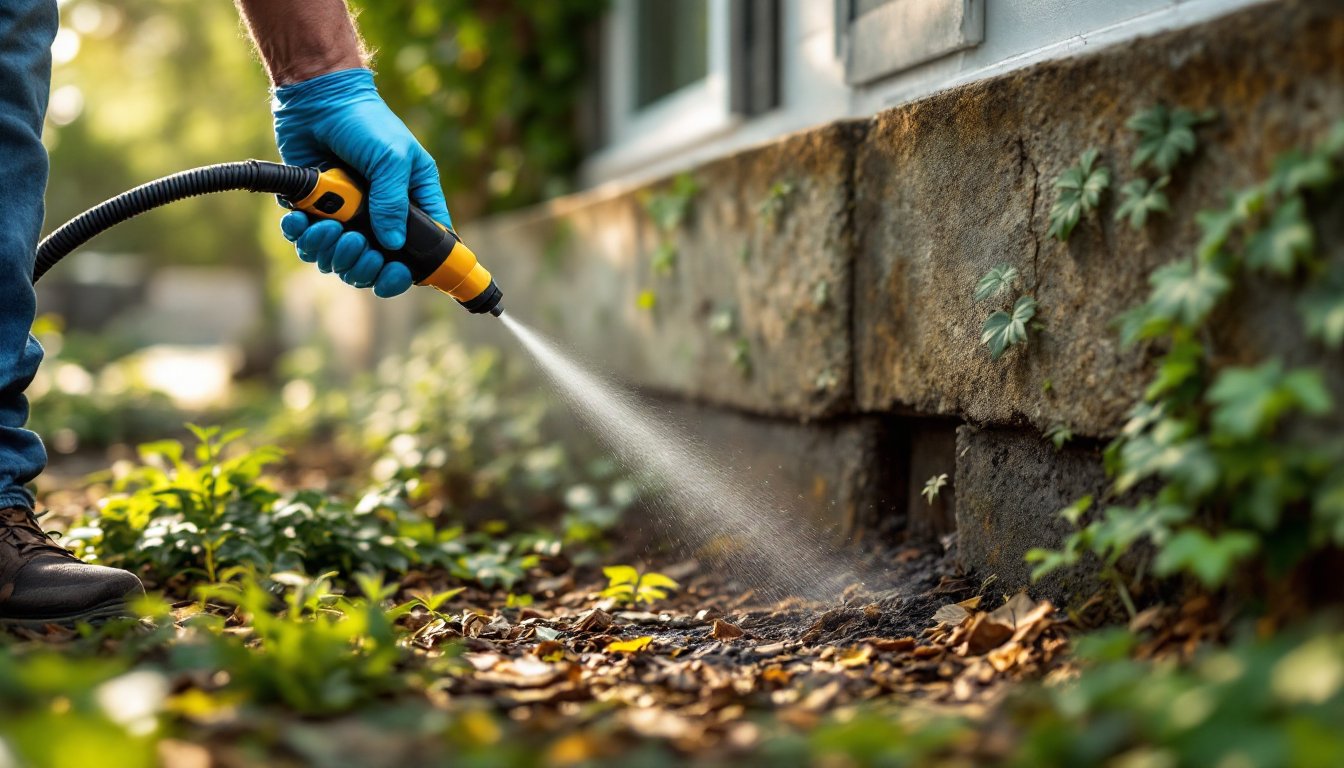
Perimeter treatment is your first line of defense against pests entering the home. Spray a 12-inch band around the foundation, focusing on cracks, gaps, and joints where insects climb in. Use the hose-end sprayer set to low concentration for broad coverage, or switch to a handheld trigger sprayer for spot treatments in tight areas.
Apply the product where the foundation meets the ground and along any visible pest trails. Don’t soak the soil excessively, light, even coating is sufficient. Spray window wells, door frames, and any utility penetrations. If you have a porch or deck, treat underneath and along the structure’s perimeter.
Winter is a good time to treat perimeter areas since many insects seek shelter indoors. Late summer and early fall are also critical before pest activity peaks. Today’s Homeowner recommends seasonal, and perimeter spraying fits perfectly into that routine.
Safety Considerations and Best Practices for DIY Pest Control
Bifenthrin is relatively low-toxicity to humans when used as directed, but it’s still an insecticide and demands respect. Always read and follow the label, it’s a legal document and the source of safe-use instructions.
Wear nitrile gloves, long sleeves, and safety goggles when mixing or spraying. A dust mask isn’t necessary for a liquid spray, but avoid inhaling the mist: spray into wind when possible outdoors. Keep children and pets out of treated areas until surfaces are completely dry, typically 2–4 hours. Store the product in a locked cabinet away from food, medications, and reach of kids and pets.
Never apply to food-contact surfaces, pet bedding, or areas where babies crawl without allowing full drying and airing out. If you have aquariums or ponds, protect them with plastic sheeting during application: bifenthrin is toxic to fish and aquatic insects. Wash hands and exposed skin thoroughly after application. If accidental ingestion occurs, contact Poison Control at 1-800-222-1222.
Do not apply indoors more than once every 7 days, and follow label limits on frequency (typically no more than once every 4 weeks for perimeter reapplication). Overuse doesn’t improve results and increases exposure risk. If pets show unusual behavior, letharness, or vomiting after application, contact your veterinarian immediately.
Comparing Ortho Home Defense to Other Household Pest Control Options
Several pest control products compete with Ortho Home Defense, each with trade-offs. Raid Max is a common alternative, also bifenthrin-based but requires mixing with water. Ortho’s ready-to-use format saves prep time and reduces measurement error. Ortho covers a larger perimeter area per application due to the hose-end sprayer’s coverage reach.
Diatomaceous earth (food-grade) is an organic option that works by dehydrating insects. It’s safer around pets and children but requires reapplication after rain and doesn’t provide the same residual protection. It works best for indoor use in dry areas like cabinets or under sinks.
Essential oil sprays (peppermint, clove, cedarwood) are non-toxic and pet-friendly but have minimal residual effect, they only kill on contact and wash away quickly. They’re better for spot treatments than full perimeter protection. Comparing ant killers and their effectiveness shows that chemical solutions like bifenthrin consistently outperform organic alternatives for long-term control.
For severe infestations, particularly in walls, crawl spaces, or if you suspect termites, hire a licensed pest control professional. Bifenthrin requires proper application to be effective: incorrect technique wastes product and money. If you’re unsure about the infestation type, identify the pest first, treatment strategy changes for ants versus roaches versus spiders.
Conclusion
Ortho Home Defense delivers reliable, DIY pest control for homeowners tackling common indoor and perimeter invasions. Proper application, treating foundation cracks, baseboards, and entry points, combined with consistent safety practices, gives you professional-level protection without the contractor cost. Start with perimeter treatment in late summer, follow up indoors as needed, and always prioritize drying time and ventilation. When in doubt about severity or pest type, call a professional, prevention and early action are always cheaper than dealing with an established infestation.